























In the high-stakes theater of India’s creator economy, the line between fame and infamy has always been razor-thin. However, 2025 gave us a masterclass in a new kind of alchemy: the ability to take a national PR crisis and refine it into a premium marketing asset.
Rewind to early 2025, when the digital ecosystem was reeling from the India’s Got Latent fallout. What began as an edgy experiment in “latent” talent quickly spiraled into a storm of FIRs, Maharashtra Cyber Cell summons, and high-decibel debates across social media. For host Samay Raina and fellow creators like Ranveer Allahbadia and Apoorva Makhija, the narrative seemed written—a cautionary tale of “edgy” humor meeting the hard wall of accountability.
Yet, as we look back, the anticipated commercial collapse never arrived; instead, it was replaced by a strategic, self-aware pivot that has transformed how brands view “canceled” talent.
Samay Raina: The Architect of the Self-Roast
Samay Raina has pioneered a new content architecture: the mock podcast. By leaning into the very format that birthed the controversy, Raina has created a “safe space” for brands to participate in his recovery.
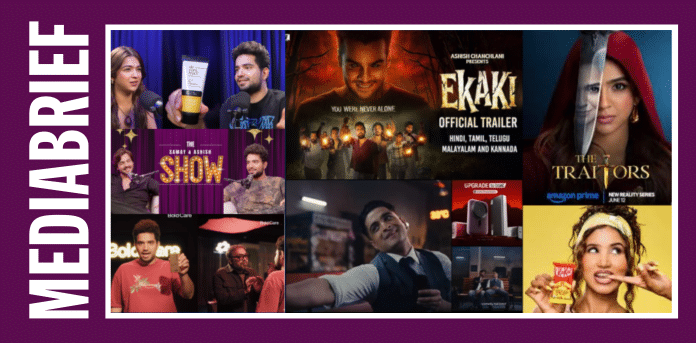
His recent collaboration with skincare brand Deconstruct is a masterclass in this. It doesn’t just ignore the elephant in the room—it invites it for tea. Raina uses self-aware humor and inside jokes to turn a trending PR nightmare into a recurring content theme, proving that for brands, this blend of satire and soft-sell is marketing gold.
https://www.youtube.com/shorts/I4YQ8f3TZR0
His strategy isn’t just about making a comeback; it’s about a back-to-back campaign spree that floods the digital space with self-aware humor. From a viral aviation-themed ad for Airlearn (co-starring Kunal Kamra) to bold campaigns for Bold Care alongside Raj Shamani and filmmaker Anurag Kashyap, he has turned personal liability into a recurring marketing theme.
View this post on Instagram
Ranveer Allahbadia: Resilience in Numbers
Despite facing widespread backlash and legal scrutiny, Ranveer Allahbadia’s professional trajectory in 2025 remained remarkably steep. His flagship channel, BeerBiceps, crossed the 10-million subscriber milestone this year, earning him the prestigious YouTube Diamond Play Button.
View this post on Instagram
The timing was poetic—unveiling the award just weeks after the controversy signaled to the industry that his audience base was not just intact, but growing. This resilience quickly translated back into commercial value, as he returned to the brand circuit with a high-visibility campaign for boAt, proving that scale often outweighs temporary sentiment.
Apoorva Makhija: Navigating the Storm and the “Traitors”
Apoorva Makhija, or “The Rebel Kid,” faced some of the most intense personal vitriol during the fallout, leading to a temporary pause in her activity. However, her return to the spotlight was multifaceted, marked by her participation in the high-stakes reality show The Traitors India on Amazon Prime Video.
View this post on Instagram
Beyond the self-referential Deconstruct campaign, her partnership with Perplexity AI and promotional work for major OTT franchises like The Family Man signaled a move toward a more intellectual and versatile brand persona. She has re-established herself as a voice of “realness” for a Gen-Z audience that prizes grit over a sanitized image.
Ashish Chanchlani: Building Beyond the Sketch
While Ashish Chanchlani was drawn into the investigation surrounding the show, he used 2025 to pivot toward long-form intellectual property. Under his banner ACV Studios, he launched Ekaki, a multi-language horror-comedy project that he created, directed, and starred in.
By shifting from short-form sketches to directing a supernatural thriller series, Chanchlani has successfully repositioned himself. He is no longer just a “YouTube personality” subject to the whims of viral trends, but a creator-producer building a sustainable production house.
Nancy Tyagi: From Baghpant to the Global Stage
Nancy Tyagi faced a different kind of “latent” controversy—online criticism regarding originality and creative credit. Yet, she ended 2025 as one of India’s most successful fashion exports.
View this post on Instagram
View this post on Instagram
Post-controversy, Tyagi designed a custom saree-inspired look for global pop star Tyla, marking a massive milestone for a self-taught designer. Her continued collaborations with global giants like KitKat and Metaglasses suggest that in the fashion world, the ability to generate a “moment” is the ultimate currency.
What we are witnessing is the death of the “perfect” brand ambassador. For legacy brands, the risk was once the controversy itself; in 2026, the risk is being boring. Brands are no longer looking for unblemished records; they are looking for creators who own their narrative and maintain a direct, honest line to their audience.
The lesson for the industry is clear: controversy may trigger the “mute” button temporarily, but for those who know how to play the algorithm and maintain their edge, the volume always comes back louder. In today’s ecosystem, the only real failure is losing the ability to tell the story—even if that story starts with an FIR.