































- 77% of Indian consumers have increased their festive shopping budgets, with 3 in 5 shoppers planning to spend over ₹10,000
- 60% of consumers plan to make purchases within a month before the festivals, with 29% shopping just one week or less before they begin.
- 22% of Android users plan to spend between ₹25,000 and ₹50,000 compared to 15% of iOS users, defying traditional affluence stereotypes
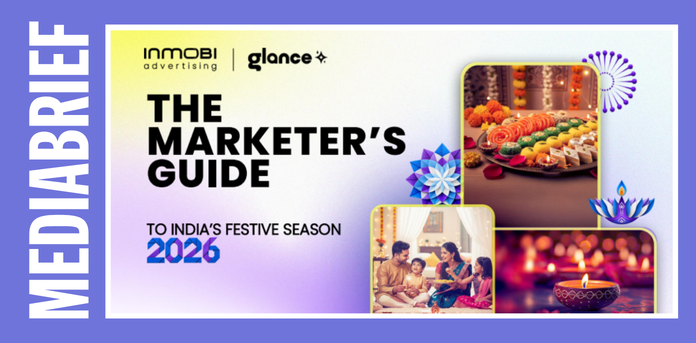
India’s festive season is undergoing a transformation, driven by expanding consumer wallets, fluid multi-screen engagement and the rapid adoption of AI-led shopping experiences. InMobi Advertising’s annual report, The Marketer’s Guide to India’s Festive Season 2026, reveals that four in five shoppers are actively seeking AI-powered shopping assistants to guide their festive purchases, while three in five plan to spend more than ₹10,000 this festive season.
AI is now actively reshaping how shoppers explore, evaluate, and decide purchases. From smart search suggestions (89%) to virtual product try-ons (81%), AI-assisted brand discovery and decision-making are gaining significant traction, with millennials demonstrating greater enthusiasm for AI-based recommendations for festive looks and products than Gen Z by 10 pp.
At the same time, discovery is no longer limited to a deliberate search action; it is becoming increasingly ambient and always-on, with 75% of consumers paying attention to festive content on idle TV screens and 67% browsing their mobile devices simultaneously while watching television.
This year, high spending intent spans across operating systems, with Android users demonstrating remarkable purchasing confidence – 22% plan to spend between ₹25,000 and ₹50,000 compared to 15% of iOS users, while both share equal representation in the ₹50,000+ budget bracket.

“Indian consumers are no longer shopping in linear paths. Their journeys are increasingly ambient, multi-screen and guided by AI,” said Pavitra Gupta, Vice President & General Manager – India, InMobi. “Today’s festive shoppers expect hyper-relevant, frictionless discovery whether they are on their smart TV, lock screen, or everyday apps. For marketers, this means moving beyond high-volume advertising to creating AI-powered experiences that are useful in the moment, build brand trust and help consumers move seamlessly from discovery to decision.”
The report also found that festive spending is becoming increasingly gender-neutral, with men and women showing similar willingness to spend across mid-to-high budget ranges. Further, consumers in Tier 2 cities are emerging as a high-value segment, planning budgets in the ₹10,000–₹25,000 range at rates that match metro shoppers.
Top findings at a glance:
- 27% of shoppers rank brand trust as their top purchase factor, edging out discounts at 22%.
- Apparel (50%), Jewelry (40%), and Grocery (37%) lead the top festive purchase categories.
- 3 in 4 consumers make independent purchasing decisions, though household influence remains strong across gifting choices.
As these diverse, high-intent consumer cohorts converge online, the festive basket is also expanding beyond traditional categories. While apparel and footwear remain staple festive purchases (50%), categories like jewelry (40%) and grocery/daily essentials (37%) are also seeing strong purchase intent.
Crucially, as choices multiply and discovery becomes more seamless, brand trust remains the strongest driver of consumer decision-making. Across most age groups, regions, and income levels, shoppers rank brand trust higher (27% overall), than discounts (22%), underscoring the importance of building trust throughout the festive purchase journey.
As shopper behavior pivots decisively toward AI-led, multi-screen discovery, the brands that lead this festive season will be the ones that unify intelligence with interactive, personalized ad experiences. The opportunity for marketers is clear: meet shoppers exactly where discovery happens, with experiences designed around how they actually shop today.